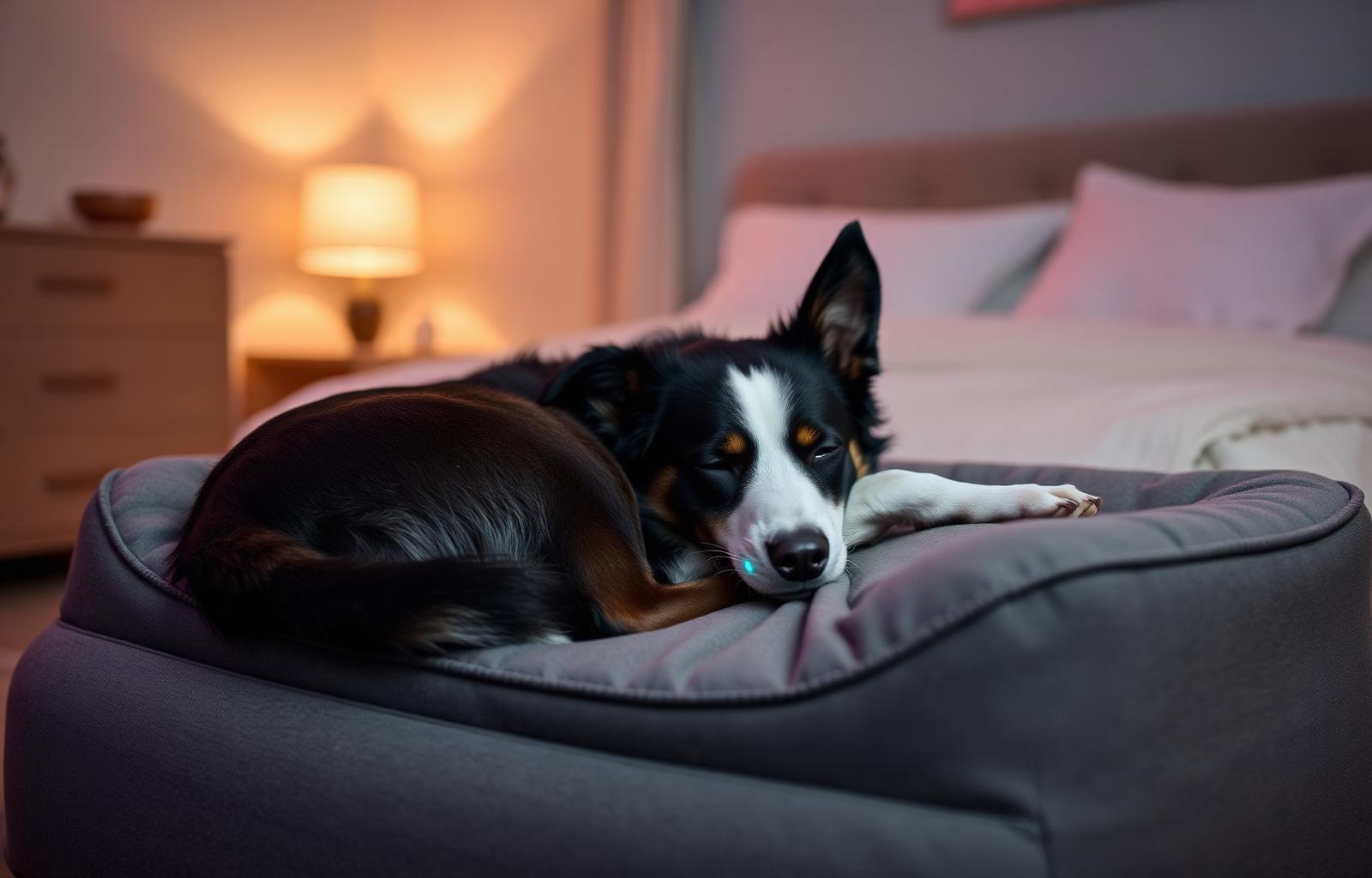
You’ve probably watched your dog “run” in their sleep, paws twitching, muffled woofing, and all. While it is adorable to observe, have you ever wondered if they are actually getting the deep rest they need to stay healthy? Every pet parent knows that dogs spend most of their day snoozing, but veterinarians suggest there is a massive difference between passive rest, where your pup is just lounging with one eye open, and true restorative sleep that repairs their body.
We already monitor our own steps, calories, and nightly recovery on our wrists, so it makes perfect sense to start doing the same for our best friends. Learning how to track your dog’s sleep quality shifts our approach from simply guessing how well they rested to using actual data. Today’s smart collars function just like your fitness watch, measuring the tiny movements and heart rates that reveal what happens when the lights go out.
Instead of treating naptime as just quiet downtime, experts now view canine rest as a powerful diagnostic tool. According to veterinary behaviourists, sudden changes in normal dog sleep habits often serve as an early warning system for hidden health issues. If an older dog suddenly starts pacing at night or a young pup stops entering deep sleep, it usually points to invisible problems like joint pain or anxiety long before a physical symptom appears.
Beyond physical health, this data gives you a direct window into their emotional well being. A well rested dog is generally a well behaved dog, and monitoring their recovery helps explain why your normally sweet companion might suddenly turn grumpy or destructive after a surprisingly exhausting weekend at the park.
Why dogs sleep differently: mastering the REM twitch and light sleep stages
You likely try to get your rest in one solid block every night, but your dog operates on a totally different schedule. Canines naturally rely on polyphasic sleep, which simply means they break their rest into multiple short bursts throughout the day and night. This evolutionary instinct keeps them ready for action, explaining exactly how they can jump from a dead snooze to barking at the delivery driver in mere seconds.
Making sense of this constant napping requires understanding canine sleep architecture, or the specific pattern of how their brains move through different resting phases. Much of your pup’s downtime is actually spent in a light, alert doze. Telling the difference between deep sleep and light sleep in pets is crucial because those lighter naps act mainly as stepping stones toward the deep recovery sleep their joints desperately need after a long trip to the dog park.
When they finally reach that restorative stage, you will undoubtedly notice some familiar physical signs. Just like our own deep dream phases, the most important of the dog sleep cycle stages involves heavy REM sleep, characterised by fluttering eyelids and sudden paw twitching. While those muffled barks might look restless, this REM twitching actually proves they are experiencing high quality rest, so it is always best to let sleeping dogs lie.
Protecting those precious moments of deep recovery becomes much easier once you recognise these natural behaviours. However, if your pup seems constantly stuck in light resting phases and rarely settles into those twitchy dreams, establishing a manual sleep log can help reveal any hidden discomfort.
The DIY sleep audit: creating a manual log to reveal hidden discomfort
It’s 2:00 AM, and you hear the familiar click click click of nails pacing the hardwood floor. While occasional wakefulness is perfectly normal, frequent night time pacing often signals subtle joint stiffness or physical pain. To uncover this hidden discomfort, you need to establish a sleep baseline, meaning you track their habits for seven days to easily spot unusual changes. A great place to start is by observing their sleep latency, or exactly how long it takes them to finally settle down and close their eyes after getting into bed.
The profound benefits of monitoring canine rest become obvious when these hidden patterns finally emerge. To build a reliable manual dog sleep log on your phone or a notepad, record these five essential metrics daily:
- Time to settle: Minutes spent circling or digging before resting.
- Night time interruptions: The frequency of waking up to pace or drink.
- Breathing rate: Measured during their deepest sleep stage.
- Morning energy level: Are they unusually sluggish or eager for breakfast?
- Sleeping position: Avoiding a usual curled up spot can indicate soreness.
Your most valuable manual tool for this log is the Resting Respiratory Rate (RRR), a simple breathing check that veterinarians use to monitor heart health. While your pup is fully asleep, count how many times their chest rises in 15 seconds, then multiply by four to get their total breaths per minute. Writing this data down by hand provides excellent insights, but you might eventually want an automated solution to streamline the process.
High tech rest: comparing dog collar sleep trackers and fitness wearables
We track our steps and nightly rest on our wrists daily, so it was only natural to start doing the same for our dogs. Upgrading from a handwritten notebook to an automated dog collar sleep tracker takes the guesswork out of monitoring your best friend’s health. Just like your own smartwatch, these wearable devices sync directly to an app on your phone to automatically log exactly when your pup dozes off, ensuring you never miss a midnight pacing session again.
Inside these tiny gadgets is a clever component called a 3D accelerometer, which is simply a sensor measuring movement in every possible direction. A high quality smart collar for activity monitoring uses this sensor’s data to filter out normal daytime activity from actual rest. It easily tells the difference between true, restorative sleep and a dog who is just lying quietly awake on the rug. By tracking these micro movements, the device builds a complete picture of their downtime without you having to stay up and watch them.
Selecting the right hardware largely comes down to your dog’s size and daily routine. When weighing a standard pet fitness tracker against a smart collar, you must decide between a lightweight collar clip or a harness integrated design. A simple collar tag works beautifully for a relaxed, lounging mutt, while a secure harness tracker is usually safer for a bouncy Labrador who loves roughhousing at the dog park.
As this wearable data seamlessly syncs to your smartphone, you will quickly learn exactly what a normal night looks like for your furry friend. Having this automated baseline offers immense peace of mind when their charts show solid rest. Conversely, if your app highlights a sudden, sharp drop in their sleep quality, you have the exact data needed to catch hidden issues early.
Recognising sleep red flags: identifying symptoms of canine apnoea and chronic pain
If you find yourself staring at your tracker app’s data wondering why your dog is restless at night, the culprit is frequently physical rather than behavioural. Just like a human tossing and turning with a bad lower back, a dog will pace or repeatedly switch beds when joint pain makes it impossible to settle down. Some of these pain points are written into the genome itself; our guide to dog DNA tests and genetic health screening explains how to flag inherited joint and neurological risks early.
Beyond aching joints, breathing problems are another sneaky thief of quality rest. While a gentle, rhythmic rumble from your Pug might seem endearing, loud and erratic snoring is actually one of the primary signs of dog sleep apnoea. This condition occurs when a dog’s airway temporarily collapses, forcing them to briefly wake up to catch their breath. Though they might not fully open their eyes, these micro awakenings destroy their sleep quality, leaving them exhausted and lethargic the next morning.
To protect your best friend’s health, monitor your tracker data alongside these four critical canine sleep disorder symptoms that always require a vet visit:
- Sleep apnoea (gasping): Long pauses in breathing followed by a sudden gasp or choke.
- Excessive night pacing: Continuous wandering, which often signals hidden pain or age related cognitive decline.
- Sudden night aggression: Uncharacteristic growling when woken, usually a defensive response to feeling vulnerable or sore.
- Chronic snoring: Laboured breathing that disrupts their ability to enter deep, restorative REM sleep, which means their brain never fully recharges.
Catching these red flags early transforms your nightly observations into actionable health data for your veterinarian. Once any underlying medical roadblocks are treated, you can focus on upgrading their night time routine to support their recovery.
The ultimate sleep environment: increasing deep sleep through bedding and exercise
You wouldn’t expect a toddler and a senior citizen to share a bedtime routine, and the same logic applies to your pet. Understanding how much sleep dogs need by age is the first step to supporting their health. While adult dogs need 12 to 14 hours of rest, a growing pup or an older dog might easily require 18 to 20 hours.
Building healthy tiredness relies on “sleep pressure,” which means the biological need to rest that accumulates while awake. The impact of exercise on dog sleep patterns is massive, but it focuses on quality over pure exhaustion. A 20 minute “sniffari” walk where they mentally process new scents builds more sleep pressure than mindless fetch, setting them up for deep sleep without stressing their joints.
Creating the right physical space is equally crucial, whether you are improving a puppy sleep environment with calming blankets or upgrading an older dog’s bed. Senior dogs specifically have orthopaedic support requirements, such as memory foam that prevents their hips from sinking to the hard floor. Keeping the room cool and dark prevents early wake ups, as dogs naturally run hot and are sensitive to morning light.
Once you have dialled in their daily routines and upgraded their bedding, tracking their rest provides concrete proof of their overall comfort.
Turning data into action: using the traffic light system to talk to your vet
We track our own sleep scores on our wrists, and now that you are logging your dog’s rest using the best apps for pet behaviour tracking, you possess a goldmine of health information. The secret to interpreting pet wearable health data isn’t obsessing over one bad night after a loud thunderstorm. Instead, focus on “baseline deviations,” which means looking for sudden, lasting shifts away from your dog’s normal daily rhythm.
Rather than guessing if those 2:00 AM pacing sessions on the hardwood floor are an issue, use the traffic light system to monitor the strong correlation between dog pain and sleep:
- Green (steady): Your dog hits their normal daily hours, indicating physical comfort.
- Yellow (15% move increase): More tossing and turning signals mild restlessness; keep an eye on them.
- Red (30%+ sleep drop): A sharp decline in rest serves as critical diagnostic evidence. Call your vet.
Bringing this documented timeline to your next appointment helps your veterinarian bypass guesswork. They appreciate when owners provide hard numbers because organised data significantly speeds up diagnosing hidden issues like early joint pain. With these insights in hand, you can build a comprehensive action plan for long term vitality.
Your canine sleep action plan: from 24 hour observation to lifelong vitality
Instead of guessing why your pup seems sluggish, you can now read their baseline patterns and recognise when those snoozes are actually signs of restorative health. Stepping into the role of a canine sleep detective is the most effective way to protect their well being.
Start your proactive routine today by launching a 30 day tracking trial. Whether you download a dog sleep app to sync with a smart collar or keep a simple notepad by their crate, gathering this data changes everything. Tonight, commit to making one environmental change to support this trial, like moving their bed away from a drafty window or turning off the hallway light, and watch how their resting habits respond. Households with cats can extend the same data led mindset by reading our smart litter box guide to monitoring cat health.
Understanding how to track your dog’s sleep quality is about much more than cool technology. It is about catching hidden discomforts early, knowing that being proactive today prevents a health crisis tomorrow. Ultimately, it delivers the best pet parent reward: pure peace of mind knowing that your dog is finally getting the deep, uninterrupted rest their body requires.