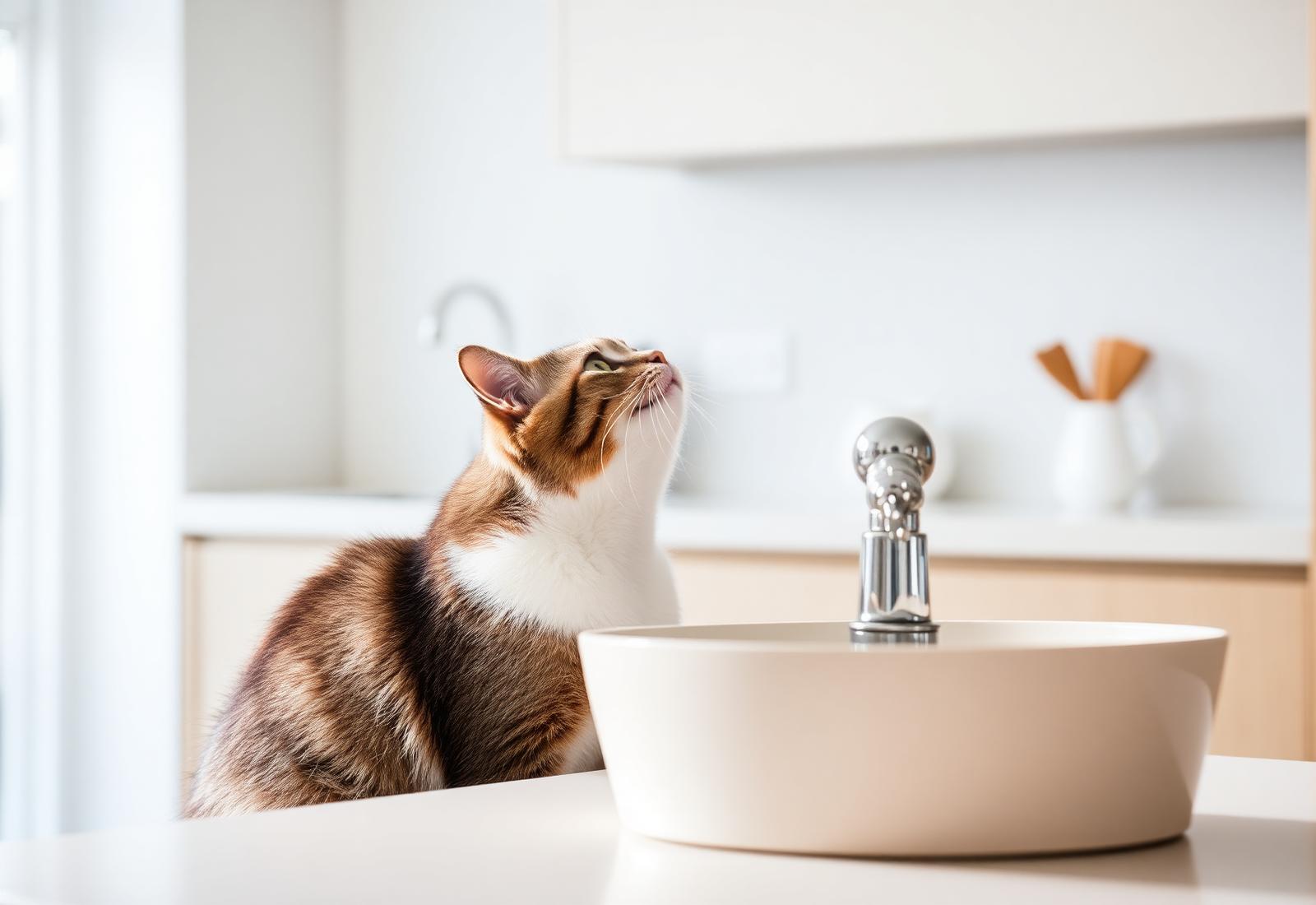
You filled the water bowl this morning, and it looks exactly the same tonight. When was the last time you actually saw your cat take a lap of water? An untouched bowl does not necessarily mean your pet is fully hydrated. Cats are masters at hiding when they feel unwell, so knowing the signs of dehydration in cats, and exactly how to fix it, is essential reading for every UK owner.
According to feline behaviourists, this naturally low thirst drive comes directly from their ancestry. Modern housecats are descendants of desert hunters that evolved to get most of their moisture from prey rather than seeking out watering holes. Think of their hydration like a daily balance sheet, where the water lost in the litter tray must equal what comes in through food and drink. If that balance dips, subtle dehydrated cat symptoms quietly appear.
This unseen imbalance is risky because fluid loss is a progressive problem that heavily impacts the kidneys first. Much like running a car with low oil, lacking enough water causes serious wear and tear on their internal engine. When moisture drops, these vital filters have to work double time to remove everyday toxins. Catching the early warning signs prevents this silent strain from becoming a sudden medical emergency.
Fortunately, you do not need any special equipment to evaluate your pet right now. Simple physical checks in your living room reveal hidden red flags, and a few small changes around the home can quickly encourage drinking. By understanding their unique biology, you can confidently step in and protect their long term health.
The desert legacy: why your cat does not feel thirsty like you do
This frustrating habit of ignoring the water bowl stems directly from your cat’s desert dwelling ancestors. In the wild, felines rarely visit watering holes because they get roughly 70 per cent of their moisture directly from their prey. Evolution taught them to “eat” their water, treating a fresh catch like a biological water bottle rather than relying on a separate drink.
Modern convenience accidentally disrupts this natural balance. When we feed our pets exclusively kibble, they fall into the “dry food trap”. Natural prey is mostly moisture, yet dry food contains only about ten per cent water. Because felines are wired to ignore the bowl, expecting them to make up that massive moisture gap by drinking is usually a losing battle. When weighing wet food vs dry food for hydration, kibble only diets often leave cats in a state of chronic, mild dehydration.
Even when their body desperately needs liquids, a cat’s low thirst drive means they will not feel thirsty until they hit the danger zone. Because they will not instinctively fix the problem themselves, severe dehydration in cats is incredibly tricky to spot just by watching the water bowl. Since you cannot rely on your pet to speak up, you need a quick way to physically check their fluid levels yourself.
The skin tent test and gum check: your 30 second home dehydration exam
Figuring out your pet’s fluid levels does not require a veterinary degree or expensive equipment. Since a dry water bowl is not proof of a problem, vets recommend checking your pet’s “skin turgor”, a medical term that simply means skin elasticity. Think of a well hydrated body like a plump, fresh grape; when moisture drops, things start to wrinkle and lose their bounce. You can measure this elasticity right in your living room in under five seconds.
To perform the cat skin tenting test, follow these quick steps when your pet is calm:
- Gently pinch the loose skin right between their shoulder blades.
- Lift it up about an inch away from the body.
- Release the skin and watch how fast it drops back into place.
A healthy, hydrated cat’s skin will snap back instantly, like a rubber band. If the skin stays pinched up in a “tent” shape or slowly creeps back down, your cat is likely lacking water. Keep in mind that older cats naturally lose elasticity as they age, so their skin might fall a bit slower even on a good day.
Moving from their shoulders to their mouth provides the next clue. When checking cat gum moisture, you are looking for a specific texture. Gently lift their upper lip and run a finger along their gums. Healthy gums feel slippery and wet, much like the inside of your own cheek. If their gums feel “tacky”, sticking to your finger slightly like sticky tape, or feel completely dry, their body is struggling to produce saliva.
Mastering these two quick physical checks takes the guesswork out of working out how to tell if your cat is dehydrated right now. While the skin and gums offer the most definitive hands on proof, severe fluid loss eventually shows up in other obvious ways. In fact, if dehydration has gone on long enough, you might notice troubling changes from across the room without even touching them.
Sunken eyes and dull coats: spotting dehydration from across the room
While the skin and gums require a hands on approach, you can also spot severe cat dehydration signs just by looking closely at their face. Behind a cat’s eyeball sits a natural cushion of fluid that keeps the eye pushed forward and looking bright. When the body runs low on water, this fluid cushion shrinks, causing the eyes to pull back into their sockets. This gives the face a slightly “droopy” or hollow appearance, and you might even notice their third eyelid (a pale membrane in the corner of the eye) showing more than usual. This sunken look acts as a visible red flag that their system is actively rationing moisture.
This internal rationing process also affects their exterior, as water is pulled away from the skin and redirected inward to keep essential organs functioning. You can watch for these secondary visual symptoms from across the room:
- A spiky or dull coat: Without enough internal moisture, the fur loses its natural shine and starts separating into unkempt, staring clumps.
- Lack of grooming: A dehydrated cat often feels too weak to clean themselves, compounding that messy, unbrushed appearance.
- True lethargy: There is a major difference between a lazy afternoon nap and genuine cat lethargy and dehydration symptoms. If your cat will not lift their head for a shaking treat bag or a favourite toy, they are not just sleepy; they are deeply depleted.
Recognising these visual shifts proves that extreme fluid loss impacts their entire body, not just their mouth. However, outward appearances only tell half the story of their hydration health. To confirm exactly how much water is actively moving through their system, you need to investigate what they are leaving behind in the litter tray.
Litter tray clues: what their bathroom habits reveal about hydration
Scooping the litter tray provides a daily health report on your cat’s internal fluid balance. When water intake drops, their kidneys work overtime to hoard moisture, resulting in highly concentrated urine. If you notice their normal daily urine clumps shrinking from the size of a tennis ball down to a golf ball, you are seeing early cat dehydration signs. Their body is desperately rationing water, leaving far less available to safely flush out waste.
Solid waste offers another crucial clue about their condition. Normally, a cat’s digestive tract leaves enough water in the faeces to keep them pliable and easy to pass. However, during a dry spell, the large intestine acts like a sponge, reabsorbing every possible drop of water back into the bloodstream. This survival mechanism creates “brick like” crumbly faeces. Finding these rock hard deposits proves critical, since chronic constipation strongly correlates with poor water intake and stands as one of the clearest signs of dehydration.
Tracking these tiny daily shifts is exactly where a connected tray pays for itself. Our smart litter box guide to monitoring cat health shows how weight loss to the gram, shrinking clump sizes and longer straining times flag dehydration days before a human would spot it, and our PETLIBRO Luma review walks through how the per cat visit feed actually performs in a multi cat home.
These bathroom shifts demand attention before a temporary shortage becomes a long term crisis. Consistently tiny urine clumps and hard stools frequently overlap with feline chronic kidney disease symptoms, making daily scooping an invaluable monitoring tool. Once the litter tray confirms your cat is depleted, you need to investigate the root cause, from invisible illnesses to sudden fluid loss, to understand exactly why their hydration is failing.
Beyond the bowl: why your cat refuses to drink and what causes fluid loss
Seeing your cat constantly at the water bowl might seem healthy, but excessive drinking often points to a hidden leak. Think of an older cat’s body like a cracked bucket; it does not matter how much water goes in if it pours out just as fast. This frustrating cycle is one of the classic feline chronic kidney disease symptoms. When ageing kidneys lose their ability to concentrate urine, they flush massive amounts of fluid out just to clear away daily toxins. The cat desperately drinks more to compensate, yet remains perpetually parched.
Recognising the triggers for acute dehydration in cats allows you to intervene before a temporary problem becomes an emergency. Illness or environmental stress can drain a healthy cat’s fluid reserves in mere hours. Keep a close watch for these common causes of rapid fluid loss:
- Stomach upset: Just one bad day of vomiting or severe diarrhoea can trigger a dangerous week of dehydration by violently purging vital digestive fluids.
- Overheating: Since cats cannot sweat like humans, heavy panting or open mouth breathing are severe signs of feline heatstroke, showing moisture evaporating straight from their lungs.
- Hidden fevers: A spiked internal temperature secretly burns through hydration reserves much faster than a normal resting state.
Stopping these dramatic drains often requires a veterinarian’s help, but you must also safely restock their depleted internal supply. Because felines naturally lack a strong thirst drive, relying on the water bowl alone will not fix a severe deficit. The most effective recovery strategy bypasses the bowl entirely, sneaking the missing moisture directly into their daily meals.
From kibble to canned: how small dietary shifts hydrate your cat faster
Transitioning your cat’s diet might be the easiest way to solve hydration problems without struggling at the water bowl. When comparing wet food vs dry food for hydration, the numbers speak for themselves. A pouch or tin of wet food is nearly 80 per cent water, acting as a natural hydration tool. Think of it like a human eating a large slice of watermelon; your cat is essentially drinking their water while enjoying a meal.
If your feline absolutely refuses to give up their crunchy kibble, you can still easily learn how to rehydrate a cat at home. Simply stirring two tablespoons of warm water into their regular dry food transforms a parched meal into a moisture rich feast. This tiny daily habit effortlessly sneaks in about 30 per cent of their daily fluid needs before they even realise the texture has changed.
Stubborn eaters who turn their noses up at plain water might leave you wondering what a cat can drink besides water. This is where the “broth hack” shines: pouring a splash of warm, unsalted chicken broth (strictly onion and garlic free) over their food adds an irresistible savoury aroma that encourages them to lap up the extra moisture. Once their diet is working in your favour, you can look beyond the food dish and explore creative ways to make their actual water bowl just as tempting.
Fountains and flavouring: creative ways to tempt a picky cat into drinking
Appealing to a cat’s wild instincts makes their water bowl irresistible. Running water signals freshness, while stagnant puddles mean danger. This instinctual drive explains the immense cat water fountain benefits; the bubbling sounds naturally draw them to drink. Cats also frequently suffer from “whisker fatigue”, a highly uncomfortable sensory overload caused when their sensitive whiskers continuously brush against deep, narrow bowls. Swapping to wide, shallow dishes instantly removes this hidden physical barrier. For a tried and tested option, see our PETLIBRO Dockstream 2 Smart Fountain review, where we logged a 142 ml daily intake average across a six week trial.
Scent based tricks are invaluable when figuring out how to rehydrate a cat at home. Because smell drives feline appetites, try these picky drinker hacks, which double as excellent ways to increase cat water intake:
- Tuna cubes: Drop tuna juice infused ice into their dish.
- Relocation: Move water far away from their litter tray.
- Clam drops: Add one drop of clam juice to fresh water.
When these creative strategies fail, you must know how to spot the emergency threshold, the point where home care simply is not enough.
The emergency threshold: when home care is not enough
You now know how to read your cat’s subtle physical cues before a minor dry spell becomes a medical crisis. If your cat shows mild signs, start a 24 hour monitoring plan: add warm water to their wet food, offer feline electrolyte replacement solutions in a second bowl, and watch their litter tray output closely.
However, home care has strict limits. If they refuse food or water for a full day, you must cross the threshold into professional care. Seek emergency treatment for cat dehydration immediately if you spot any of these red flags:
- Extreme exhaustion or refusing to move at all.
- Sunken, dull looking eyes.
- Skin that stays completely “tented” after a gentle pinch.
Veterinarians can quickly resolve the issue with subcutaneous fluids for cats, a simple under the skin hydration boost that jumpstarts their recovery in minutes. Armed with the knowledge of your cat’s unique desert dweller biology, you are well equipped to protect your feline friend’s health for the long term.
Frequently asked questions
How can I tell if my cat is dehydrated at home?
Perform the skin tent test by gently pinching the loose skin between the shoulder blades. If the skin snaps back instantly, your cat is hydrated. If it stays tented or sinks back slowly, dehydration is likely. Back this up by checking that the gums feel slippery and wet rather than tacky or dry.
How quickly can a cat become dangerously dehydrated?
A previously healthy cat can become seriously dehydrated within 24 to 48 hours of vomiting, diarrhoea, heatstroke or refusing both food and water. Kittens and senior cats with chronic kidney disease deteriorate even faster, so do not wait a full day before contacting your vet.
What is the fastest way to rehydrate a cat at home?
For mild cases, switch to wet food, stir warm water or unsalted chicken broth into their meals, and offer a feline electrolyte replacement solution in a separate bowl. A pet water fountain and a wide, shallow bowl placed away from the litter tray usually boost intake within a day.
Does wet food really prevent dehydration in cats?
Yes. Wet food is around 80 per cent water compared to roughly 10 per cent in dry kibble, so cats on wet or mixed diets consistently maintain better hydration. This is one of the simplest changes UK owners can make to protect kidney health.