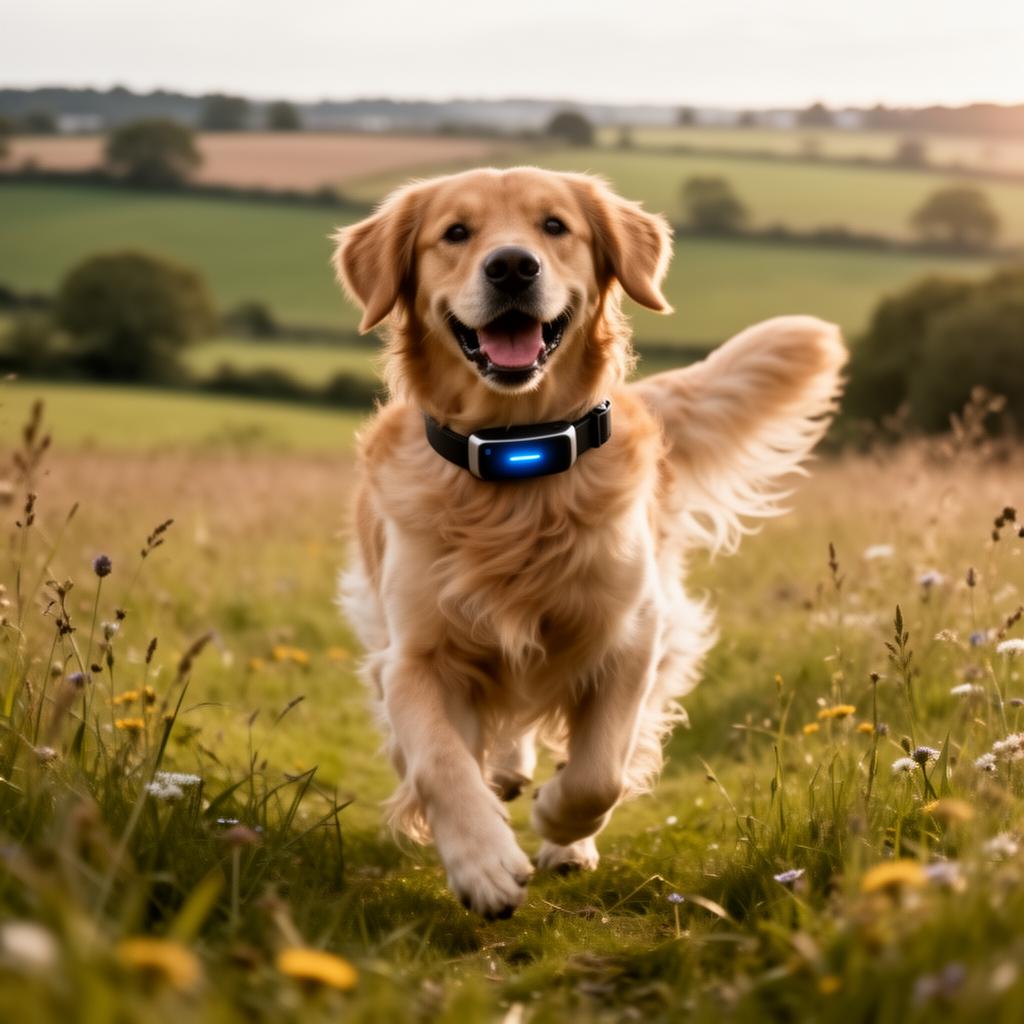
Few things strike as much terror into a dog owner’s heart as an open gate, a slipped lead, and the sudden, awful realisation that their furry companion is nowhere to be seen. Whether your mischievous terrier has bolted after a squirrel in the local park or your adventurous spaniel has wandered a bit too far during a sprawling countryside hike, the panic is immediate and universal.
For decades, we relied on crossed fingers, frantic shouting, and the kindness of strangers checking collar tags. Fortunately, we now live in an era where modern technology offers a robust, reliable safety net. Enter the dog GPS tracker. These brilliant little devices have thoroughly revolutionised pet safety, transforming the way we protect, monitor, and even understand our canine companions.
In this comprehensive guide, we will explore everything you need to know about outfitting your beloved pet with modern tracking technology. From understanding complex satellite signals to assessing your dog’s daily fitness, we will navigate the market to ensure your four legged best friend remains safe, sound, and always within reach. If you want to skip straight to the rankings, browse our independent UK reviews of dog GPS trackers.
The evolution of pet safety: moving beyond the microchip
Before diving into the intricacies of a modern canine GPS tracker, it is essential to understand why these devices are necessary in the first place. In the UK, microchipping your dog is a legal requirement. It is an absolutely vital practice that has reunited thousands of lost pets with their families. However, a microchip is fundamentally a passive system. It does not actively broadcast your dog’s location; it merely acts as a permanent barcode that a vet or dog warden can scan after your pet has been found.
A GPS dog collar, on the other hand, is an active safety device. It empowers you to take immediate control of an emergency situation. Instead of waiting anxiously by the telephone, you can open an application on your smartphone and pinpoint your dog’s exact coordinates in a matter of seconds. This shift from passive identification to active, real time tracking is arguably the most significant advancement in pet safety of the 21st century.
How do these devices actually work? Unpacking the technology
To make an informed decision, it helps to grasp the basic science behind these wearables. If you have ever wondered exactly how to find a lost pet using satellite technology, the process is both fascinating and highly effective.
Satellites and cellular networks
Most standard trackers operate using a two step process. First, a tiny GPS receiver inside the collar connects to a network of global navigation satellites orbiting the Earth. By calculating the distance between the collar and at least four different satellites, the device determines your dog’s exact geographical coordinates.
However, knowing the location is only half the battle; the tracker then needs to send that information to your smartphone. This is where cellular networks come into play. Modern trackers contain integrated SIM cards that transmit data via mobile phone masts. Therefore, you must carefully consider the cellular network coverage for smart collars in your local area. If you live in a notoriously poor signal zone, a standard cellular tracker might struggle to update.
To combat coverage issues and improve efficiency, developers have turned to advanced low power wide area networks. Today, the leading manufacturers utilise LTE M and NB IoT connectivity for wearables. These specific cellular bands are designed exclusively for Internet of Things devices. They require significantly less power than the 4G or 5G your mobile phone uses, and their signals are far better at penetrating obstacles like dense woodland canopies or brick buildings, ensuring a much more reliable connection when your dog is on the move. Our review of the PitPat GPS Tracker explains how one popular UK device puts this approach into practice.
What happens off the grid?
A frequent and highly crucial question from outdoor enthusiasts is: can you track a dog without cell service? The answer is yes, but it requires a different type of technology.
When comparing radio frequency versus satellite signals, the distinction is critical for rural adventurers. Standard GPS trackers need a cellular connection to relay the satellite data to your phone. Conversely, Radio Frequency (RF) trackers completely bypass mobile networks. The collar determines its location via GPS satellites, but instead of using a mobile mast to send the data, it transmits a radio signal directly to a specialised handheld receiver device that you carry with you.
This type of closed loop system is an absolute lifesaver when locating a runaway dog in remote areas, such as deep in the Scottish Highlands or the Lake District, where mobile reception is virtually non existent. While these RF systems are generally more expensive upfront and bulkier than cellular trackers, their off grid reliability is unmatched.
Core features: what makes a top tier tracker?
With the market flooded with various brands and models, narrowing down your choices can feel overwhelming. To ensure you invest in a device that genuinely enhances your dog’s safety, you should prioritise the following core features. For a head to head comparison, see how each model scored in our GPS tracker reviews.
Pinpoint accuracy and live tracking
In a true emergency, every single second counts. A dog in full sprint can cover a terrifying amount of ground in just a few minutes. Therefore, real time location monitoring is the absolute non negotiable feature of any high quality tracker. Most standard devices update their location every few minutes to save battery. However, when you activate Live Mode, the device shifts into overdrive, pinging its location every two to three seconds. This provides you with a continuous, moving blue dot on your map, allowing you to intercept a fleeing dog rather than merely following their cold trail.
Establishing safe zones
Prevention is always better than a cure. One of the most celebrated advancements in this technology is the inclusion of geo fencing alerts for pet safety. A geo fence is an invisible, digital boundary that you can draw on your smartphone’s map.
Begin by setting up virtual fences for back garden safety. You can trace a perimeter around your garden, the local dog park, or a family member’s house. The moment your dog steps over this invisible boundary, the tracker immediately sends a push notification or an alarm to your phone. This rapid alert system means you can rush out of the back door to catch your dog the moment they figure out how to dig under the garden fence, rather than noticing they are missing an hour later.
Top tip for virtual fences: when drawing your perimeter, ensure you leave a slight buffer zone. GPS technology naturally experiences minor fluctuations (known as GPS drift). If you draw the boundary too tightly against the walls of your house, you may receive false alarms when your dog is simply snoozing by the back door.
Power management, longevity and the elements
A tracking collar is completely useless if the battery dies before you can locate your dog. Consequently, the battery life of wireless pet locators is a major deciding factor for most owners.
Battery performance varies wildly depending on the model and how it is used. A tracker updating its location every few seconds will drain its battery in a matter of hours, whereas a tracker left on a standard energy saving mode could last anywhere from a few days to a few weeks. Many modern trackers use intelligent power saving features. For example, they can connect to your home Wi Fi network. While the tracker is within range of your home router, it knows your dog is safe indoors and puts the GPS module to sleep, drastically preserving battery life.
Dogs are wonderfully messy creatures. They will roll in fox setts, plunge into freezing rivers, and enthusiastically crash through dense, thorny undergrowth. Because of this, you must carefully check the waterproof rating for outdoor pet electronics before making a purchase. Look for devices with an Ingress Protection (IP) rating of at least IP67, which means the device is entirely dust tight and can survive being submerged in water up to one metre deep for 30 minutes. Even better is an IP68 rating, which offers full protection for dogs who love extended swimming sessions. A robust, shock proof casing is also vital to ensure the intricate electronics survive the daily rough and tumble of canine life.
Tailoring the tech: finding the right fit for your dog’s lifestyle
There is no one size fits all solution in the world of canine tech. The perfect tracker for a pampered city pug will look very different to the ideal setup for a working farm dog.
Considering the little ones
If you own a Dachshund, a Chihuahua, or a Yorkshire Terrier, you must be incredibly mindful of the hardware you attach to their necks. There are strict weight and size considerations for small breeds when it comes to pet wearables. Attaching a bulky, heavy tracker to a small dog can cause neck strain, restrict their movement, and cause severe chafing. Fortunately, technology has miniaturised beautifully over the last few years. Many brands now offer slimline or mini versions of their flagship trackers specifically designed for dogs under 4.5 kg. When fitting a tracker on a small dog, ensure it sits flush against the collar and does not dangle, which can bounce uncomfortably against their chest as they trot.
Equipping the adventurers and working dogs
At the other end of the spectrum are the high energy, outdoor working breeds. Pointers, Spaniels, and Retrievers cover vast distances at breakneck speeds, often through harsh terrain. When searching for the best rugged wearables for hunting dogs or dedicated hiking companions, durability and range are paramount. For these dogs, standard cellular trackers may not suffice due to rural signal dropouts. As mentioned earlier, radio frequency GPS systems (like those manufactured by Garmin or Dogtra) are the gold standard here. These ruggedised systems often feature reinforced Kevlar collars, ultra bright LED beacons for night visibility, and incredibly tough, chew resistant housing.
Beyond location: the rise of canine health tracking
While finding a lost dog is the primary function of these devices, manufacturers have increasingly realised that the collar is strapped to the dog all day, every day. This presents a unique opportunity to gather valuable biometric data. Much like a smartwatch for humans, activity monitoring and canine health insights have become standard features on premium trackers.
The fitness dashboard
Are you overfeeding your Labrador? Is your Collie getting enough stimulation? A smart tracker logs your dog’s daily active minutes, calories burned, and total distance travelled. You can set daily fitness goals based on your dog’s breed, age, and weight. This gamification of dog walking not only keeps your pet in peak physical condition but also encourages owners to lace up their boots and hit the pavement more often. Many of these activity features overlap with what we cover in our guide to tracking your dog’s sleep quality.
Early warning health indicators
Dogs are notoriously stoic animals; they often hide pain and discomfort until an illness is quite advanced. Health tracking collars can act as an invaluable early warning system. By establishing a baseline of your dog’s normal behaviour, the tracker’s companion app can flag unusual deviations. For instance, if your senior dog’s daily step count dramatically drops, it could be an early sign of osteoarthritis or joint pain. Similarly, modern devices feature advanced accelerometers capable of monitoring sleep quality and ambient movements. If the tracker registers a sudden, severe spike in nighttime scratching or head shaking, the app will alert you. This could be the very first sign of a flea infestation, an allergic reaction, or a developing ear infection, allowing you to consult your veterinary surgeon days before visible symptoms appear.
The financial aspect: navigating the market
When you begin shopping for a dog GPS tracker, you will immediately notice a distinct division in pricing models. Making the right financial choice requires weighing up subscription versus no subscription devices.
Subscription based trackers
The vast majority of popular consumer trackers (such as Tractive or PitPat) require a monthly or annual subscription fee. The upfront cost of the physical tracker is usually quite low, often between £30 and £50. Because they use multi network roaming SIM cards, they automatically connect to whichever mobile network is strongest in your current area (EE, O2, Vodafone, and so on), offering excellent nationwide and even international coverage. They also boast user friendly apps and constant software updates. The downside is that you are tied into an ongoing cost. Over the lifespan of your dog, these small monthly fees (typically £4 to £8 a month) can add up to a significant sum. Furthermore, if you forget to renew your subscription or your direct debit fails, the tracker simply stops working.
No subscription trackers
Subscription free models generally fall into two categories: high end Radio Frequency trackers and Bluetooth tags. RF GPS systems use handheld receivers instead of mobile networks. They carry zero monthly fees and work anywhere in the world, completely independent of mobile phone masts, but the initial outlay is exceptionally steep, frequently costing upwards of £300 to £600. They are also bulkier and require you to carry a separate handheld screen.
Bluetooth tags such as Apple AirTags are not GPS trackers. They do not connect to satellites. Instead, they rely on securely pinging passing smartphones to update their location. They carry no subscription fees, are cheap and small, but if your dog runs into a dense forest, an empty field, or a quiet country lane where no one with a smartphone is walking by, the tracker is completely useless. They are suitable for keeping track of your keys, but they are not reliable safety devices for wandering pets. For the vast majority of UK dog owners living in suburban or moderately rural environments, a cellular based subscription tracker offers the best balance of reliability, range, and affordability.
Practical tips for success: getting the most from your tracker
Purchasing a top tier canine GPS tracker is only the first step. To truly safeguard your pet, you must integrate the device into your daily routine effectively.
1. Habitual charging
The most common point of failure for GPS tracking is human error, specifically forgetting to charge the device. Treat your dog’s tracker exactly as you treat your mobile phone. Build a routine where you place the tracker on its charging dock every evening after your dog’s final walk, or schedule a charging window every Sunday evening if you have a longer lasting battery model. A dead battery is no use to anyone in a crisis.
2. Perfecting the fit
A loose collar can easily snag on a tree branch, allowing the dog to slip out and leaving you tracking a collar attached to a bush while your dog runs free. Conversely, a collar that is too tight will cause severe discomfort. Ensure you can comfortably slip two fingers between the collar (or harness) and your dog’s neck. If your dog regularly wears a harness, consider attaching the tracker directly to the back of the harness rather than the collar. This often provides the GPS antenna with a clearer, unobstructed view of the sky, resulting in faster and more accurate satellite locks.
3. Test the emergency protocol
Do not wait for an actual emergency to learn how your device’s application works. Familiarise yourself with the interface immediately. Have a friend or family member take your dog for a walk around the neighbourhood while you stay home. Practice turning on Live Mode and using the app’s compass or augmented reality features to track them down. Understanding how long it takes for a location to update, and seeing what the interface looks like when your dog is moving quickly, will prevent panic and fumbling if the real thing ever happens.
4. Combine tech with traditional training
A GPS dog collar is a safety net, not a substitute for proper training. You should continue to prioritise solid recall training with your dog. Interestingly, some modern trackers feature a built in beep or vibration function. You can use these features as part of your training regime. By consistently triggering the beep right before you offer a high value treat, your dog will quickly learn to associate the sound with a reward. Should they ever wander out of sight, triggering the beep remotely can encourage them to turn around and run straight back to you.
Conclusion: peace of mind on every walk
Welcoming a dog into your home brings immeasurable joy, but it also brings a profound responsibility to keep them safe from harm. The world is full of interesting scents, loud noises, and unpredictable distractions that can tempt even the most obedient dog to stray.
By investing in a reliable dog GPS tracker, you are not just buying a piece of plastic and circuitry; you are investing in absolute peace of mind. Whether you are using geo fencing alerts to secure your back garden, analysing daily health insights to ensure your senior dog remains comfortable, or relying on live tracking to navigate the remote countryside, these devices are invaluable tools in the modern pet owner’s arsenal. Ready to choose your device? Compare every model we have tested in our UK GPS tracker rankings, or read our full PitPat GPS Tracker review to see how the best selling British option performed in our lab.